Our Approach
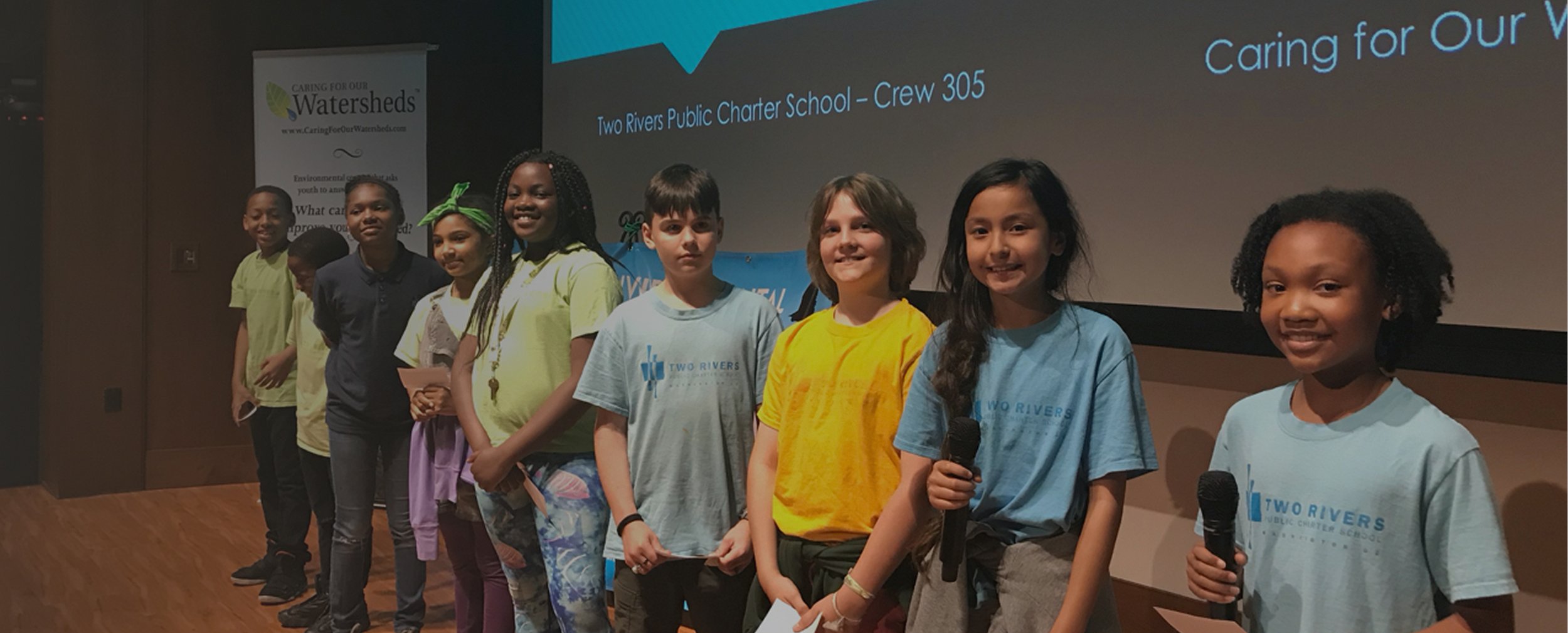
Built on 30 years of classroom expertise, our approach connects what students learn to the real-world issues they care about—and empowers them to take action.
OUR EXPERTISE
We are building the field of Environmental Applied Civics
Moving from awareness to action.
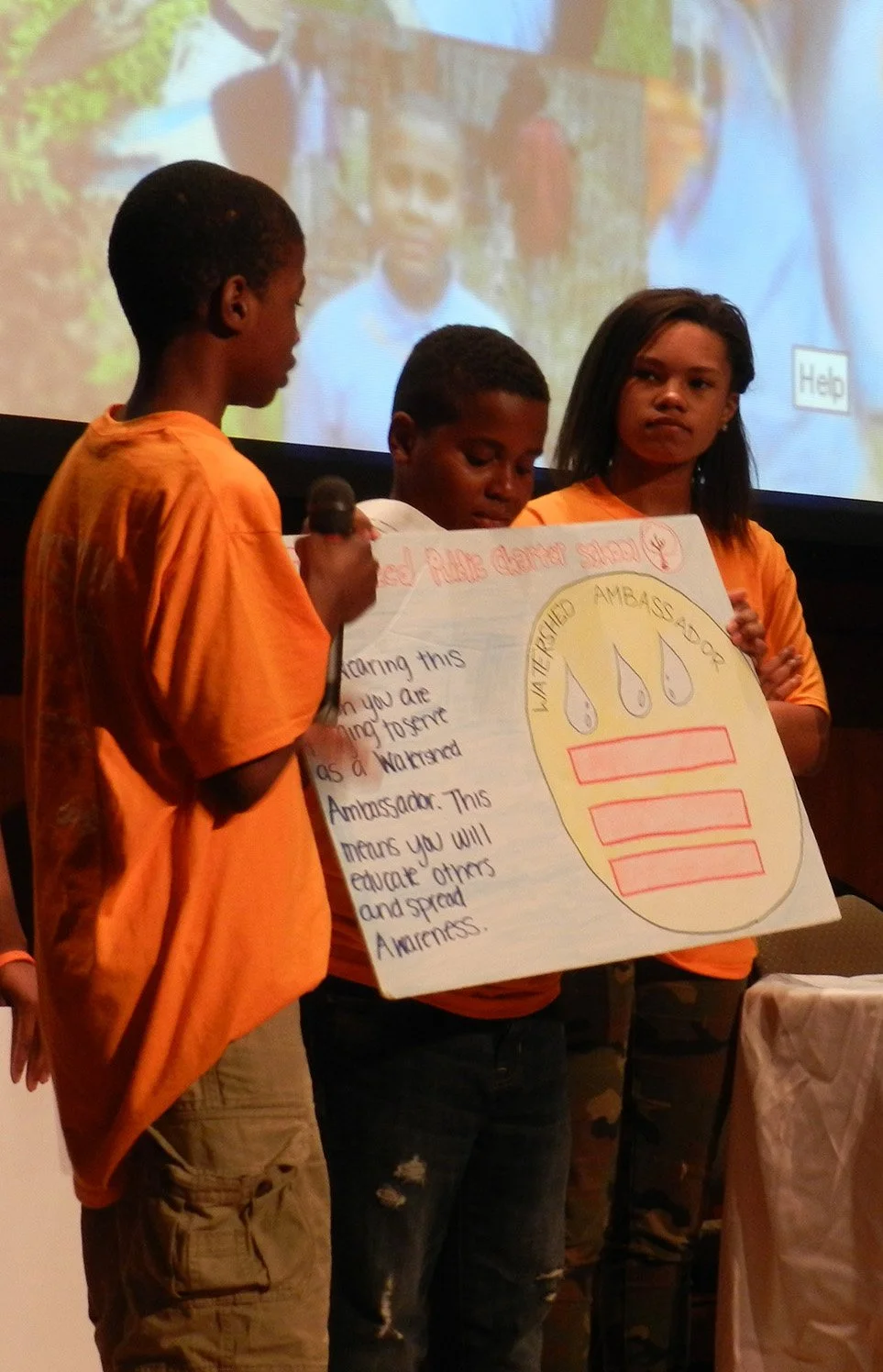
Earth Force created Environmental Applied Civics (EAC), an approach that centers youth-adult partnerships in which young people identify a local environmental issue and engage with their community to ask for lasting systemic change. A central element of EAC is a commitment to prepare youth, especially those from historically marginalized communities, to engage in local environmental decision-making now and in the future.
Rooted in best practices
EAC draws from principles of project-based learning, inquiry-based learning, civic education, and place-based education to enable deep learning.
Aligned with standards
EAC aligns with Next Generation Science Standards and the College, Career, and Civic Life Framework for Social Studies State Standards.
OUR FOCUS
Authentic civic engagement for young people
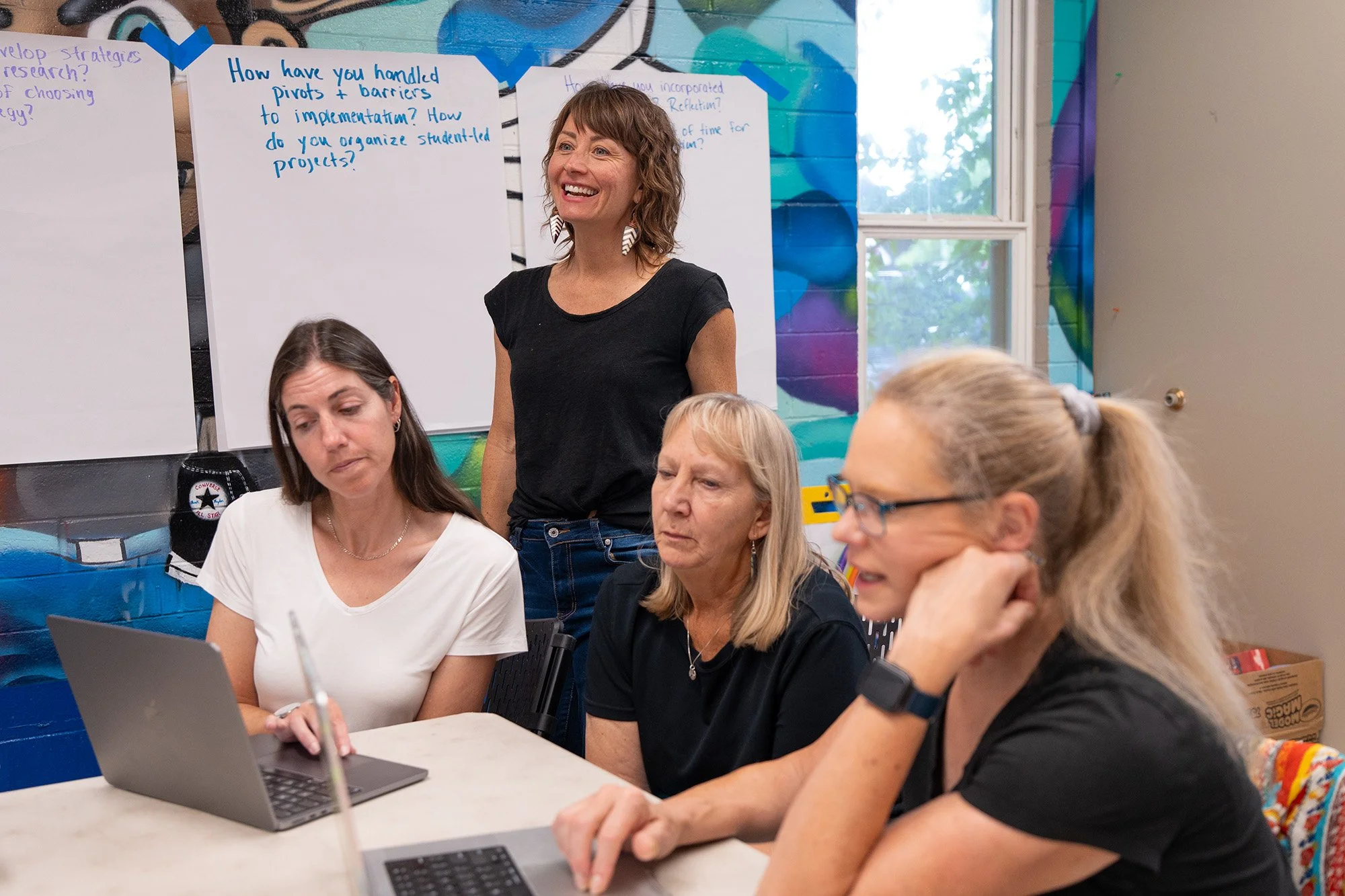
We center youth as essential stakeholders, empowering them to drive community change through their lived experience and research
A systemic change, not a new program
Youth voice should not be an add-on. Our team has expertise in helping you deepen your existing programs and curricula, rather than introducing a separate program.
Proven adaptation refined by real educators
Our approach was created and refined through direct partnership with educators, ensuring our tools work in real learning environments and meet the practical needs of teachers.
True co-creation over consultation
We co-design flexible, systems-level solutions with districts and organizations to transform existing programs into powerful engines for student agency and civic engagement.
Book a short consultation to see how EAC can integrate with your organization’s strategic plan.
ENVIRONMENTAL APPLIED CIVICS IN ACTION
In an EAC-integrated learning space, young people become investigators, researchers, analysts, decision-makers, and planners— collaborating with community members, agencies, and nonprofits. Based on research, we emphasize three essential experiences. If these are present, the outcomes for young people will be stronger.
THREE ESSENTIAL EXPERIENCES
Youth select an issue that is rooted in their lived experience
Young people have the authority to select an issue that reflects their personal lived experience, interests, and passions while also addressing a community need.

Youth co-create their learning environment
Young people work in partnership with stakeholders, engaging in democratic debate and decision-making, sharing responsibility, task management, and reflection.

Youth engage with power structures to ask for change
Youth advocate for systemic policy or practice changes, informed by their selected issue, to decision-makers and law makers in their community.
If someone told me that my 6th graders would put together a civic action proposal to solve a community flooding issue back in August, I don't think I would have believed it to be possible.
Your six-step method made it so easy and the kids really engaged and found it fun and meaningful!
— Tricia Kearns, science educator
THE EARTH FORCE PROCESS
The Earth Force Process is a six-step framework for implementing Environmental Applied Civics - in a classroom, in a program, and more.
-
Step One: Community Environmental Inventory
Students investigate their community and collect data on environmental strengths and issues using environmental inventories, rooted in meaningful inquiry. They develop an awareness of the importance of taking action in their community and of the roles of an environmental citizen.
-
Step Two: Selecting an Issue
Students practice democratic decision-making to refine and select a single issue for deeper research. This step ensures students select an issue they are excited about and meets the teacher’s goals.
-
Step Three: Policy & Practice Research
Students conduct research on their issue, exploring policies and practices related to their issue using questioning and information analysis skills. They identify and interact with community members and experts, explore different perspectives on their issue, and discover strategies for change.
-
Step Four: Goal & Strategy Selection
Students use democratic and criteria-based decision-making to select one policy or practice they want to change and the most appropriate strategy(ies) to achieve the desired change.
-

Step Five: Planning and Taking Civic Action
Students work collaboratively and in partnership with adults to create an action plan for making the desired change and implement their plan.
-

Step Six: Review and Share
Students review their experience by recognizing their successes, analyzing challenges, reflecting on lessons learned, and identifying potential next steps for their project. They share their project with their community in a public presentation.
VOICES FROM EAC
Collaborative Success: What partners and young people say about co-creating systemic change.
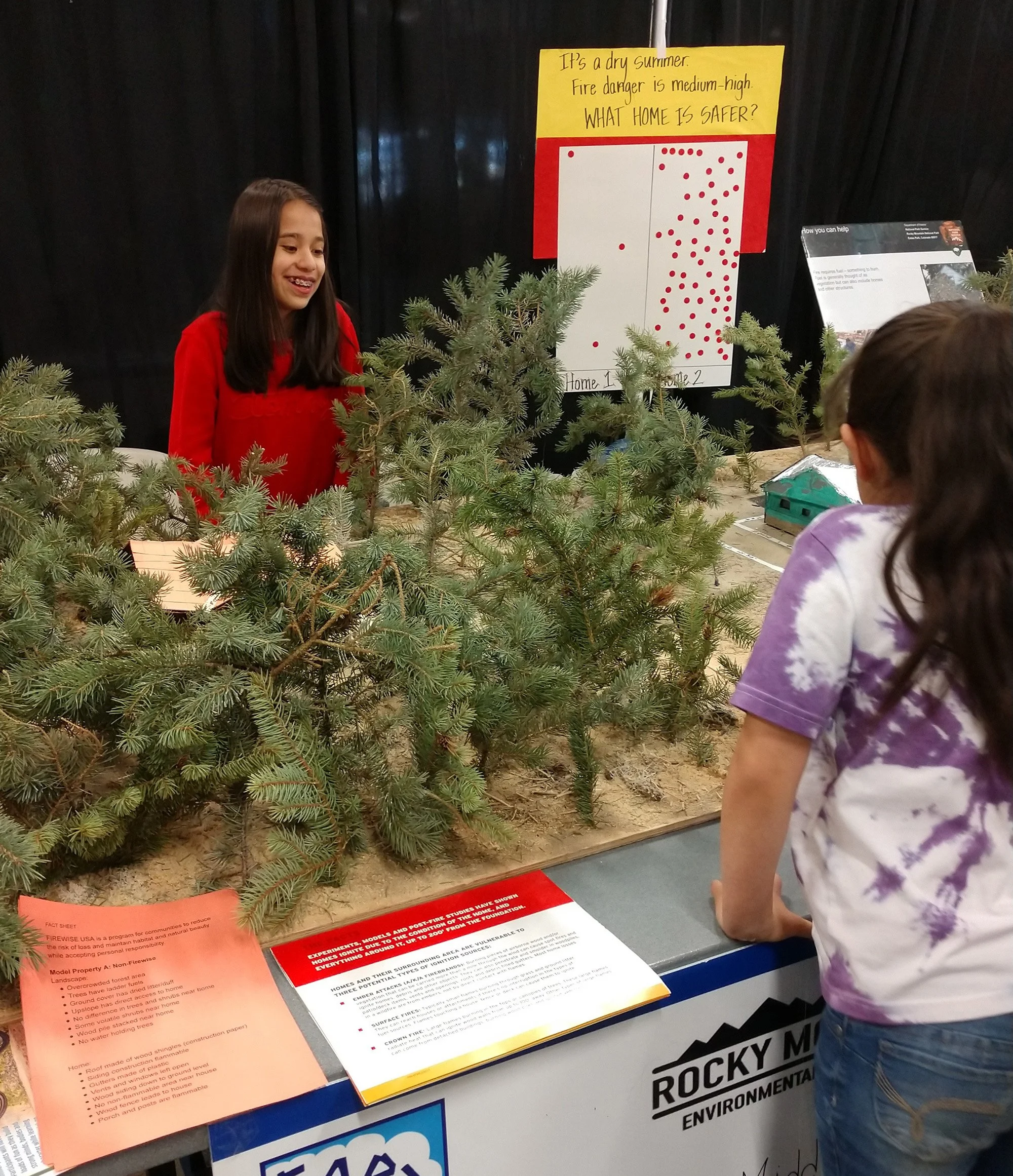
“The most important thing I learned during this project was the ability to identify the problem in our community and find a way to solve it.”
-Student Participant
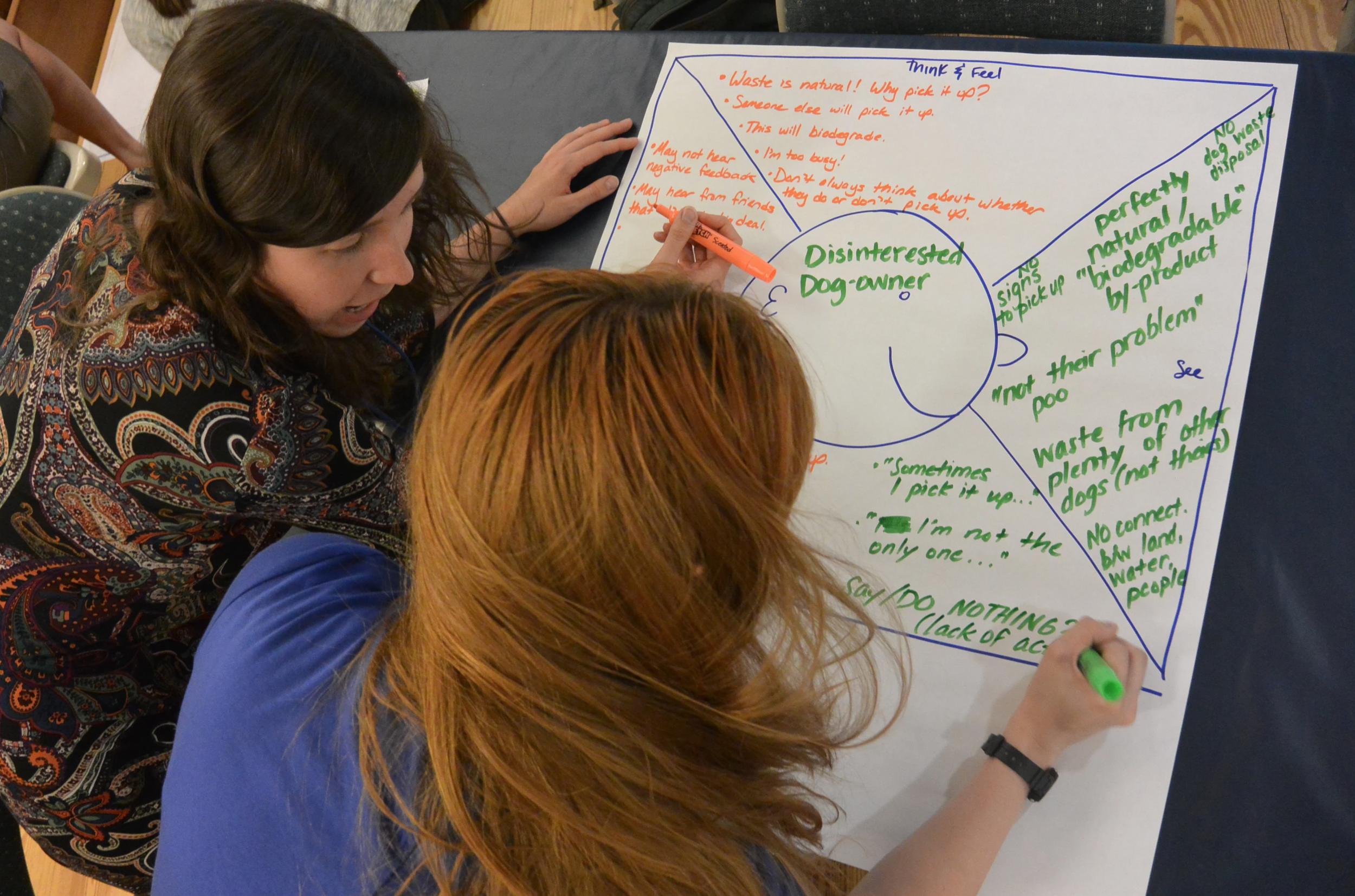
“My favorite part is seeing the transition from adult leading to students taking control of the project. I love seeing them organize, plan and collaborate for the presentation.”
-Educator Participant

“So grateful to discover a cohort of educators implementing the EAC process across the US. Educators are more effective when we band together to create change.”
-Leader Participant
Frequently Asked Questions
-
Environmental Applied Civics (EAC) is a teaching approach that combines academic learning with meaningful civic action. Students investigate environmental issues affecting their communities, work with local experts and decision-makers, and develop solutions that create measurable impact. Unlike traditional project-based learning, Environmental Applied Civics intentionally builds civic knowledge, agency, and long-term engagement while meeting academic standards.
-
Project-based learning focuses on learning through extended projects. Environmental Applied Civics goes further by centering authentic community issues and civic participation. Students don't simply complete projects—they engage with public systems, collaborate with community partners, and take informed action that addresses real environmental challenges.
-
No. While both involve students working outside the classroom, service learning often emphasizes volunteerism or community service. Environmental Applied Civics emphasizes investigation, civic decision-making, systems thinking, and student leadership. Students identify root causes, evaluate evidence, engage stakeholders, and advocate for solutions.
-
Environmental Applied Civics works across elementary, middle, and high school classrooms. Earth Force most commonly partners with middle schools and supports educators in adapting the framework for different developmental levels and subject areas.
-
Environmental Applied Civics integrates into existing curriculum rather than requiring a separate course. It can be incorporated into science, social studies, environmental education, English language arts, career and technical education, and interdisciplinary learning.
-
Students build:
Critical thinking
Collaboration
Research skills
Civic knowledge
Communication
Systems thinking
Problem solving
Leadership
Data analysis
Community engagement
They also develop confidence that they can positively influence their communities.

Collaborate with us!
Partner with Earth Force to bring real world learning to the next level. We empower districts and organizations to enact deep change through dynamic and impactful learning integration.
JOIN OUR MISSION